
Sleeping on a plane—especially in economy—isn’t easy.
For years, I’d arrive at my destination feeling more tired than when I boarded. Short, broken naps, constant repositioning, and the usual neck strain from trying to sleep upright.
Like most people, I assumed that was just part of flying.
But over time, I realised something important:
Sleeping on a plane isn’t just about the pillow you use—it’s about how you sleep, where you sit, and how everything works together.
After more than a decade of regular long-haul travel, I’ve built a setup that allows me to get proper rest in economy—often several hours at a time.
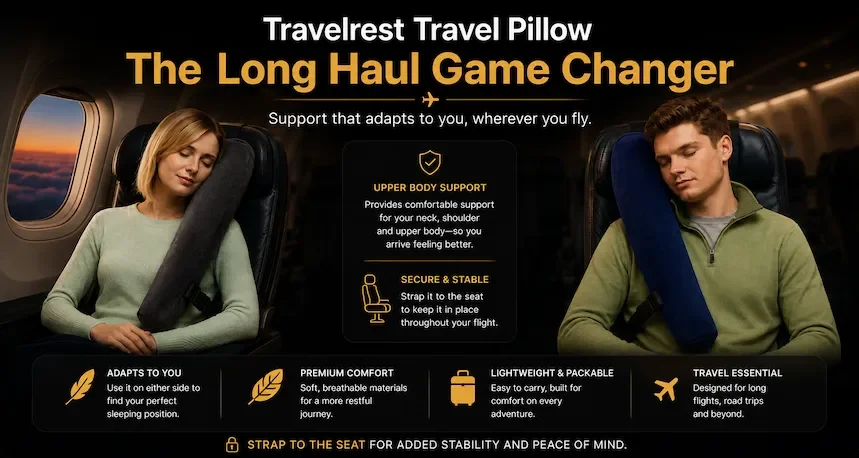
A big part of that is the Travelrest travel pillow.
But it’s not just the product—it’s how you use it.
How to Sleep on a Plane (What Actually Matters)
If you struggle to sleep on flights, the issue is usually not just comfort—it’s alignment.
Most people try to sleep in a position that doesn’t match how they naturally rest. On a plane, that leads to constant movement, broken sleep, and neck strain.
Match your seat to how you sleep
Back sleepers can usually manage in most seats
Side sleepers need to be more deliberate
From experience:
Right-side sleepers → right window seat or right-side aisle (end of row)
This is what I naturally do, and it makes a noticeable difference.Left-side sleepers → left window seat or left-side aisle (start of row)
This allows you to lean naturally instead of constantly correcting your position.
Support your lower back
One thing that often gets overlooked is lower back support.
If your lower back isn’t supported properly, your whole posture shifts—making it harder to stay comfortable and maintain a stable sleeping position.
I usually place the standard airline pillow against my lower back, which makes a noticeable difference on longer flights.
It’s a simple adjustment—but it helps keep your position consistent and reduces the need to keep shifting.
Prevent head drop
The main reason people don’t sleep well on planes:
Your head drops forward or sideways, waking you up repeatedly.
Most traditional neck pillows don’t solve this—they support the neck, not the head position.
Stability matters more than softness
It’s not about how soft your pillow is—it’s about staying in position.
When your upper body is supported properly:
you move less
wake less
stay asleep longer
Why Most Travel Pillows Don’t Work
Most travel pillows are designed around comfort—not stability.
The typical U-shaped neck pillow:
supports the neck
doesn’t stop your head from dropping
often leads to repeated wake-ups
They’re also usually made from foam, which brings a couple of practical limitations.
Once you’ve put it on, that’s it—you can’t adjust the firmness or shape in the moment. If it’s too soft or too firm for how you’re sitting, you’re stuck with it.
This is why many people still struggle to sleep—even with a pillow.
What’s needed isn’t just neck support—it’s something that keeps your head and upper body aligned.
They also tend to be bulky to carry. It’s common to see them hanging off bags or worn around the neck through the airport—and they don’t always stay put.
Travelrest Travel Pillow Review (After 10+ Years of Use)
After trying various options over the years, this is the one I’ve consistently come back to.
The key difference is its cross-body design.
Instead of just supporting your neck, it supports your upper body—keeping your head in a stable position.
Packs down small (and stays out of the way)
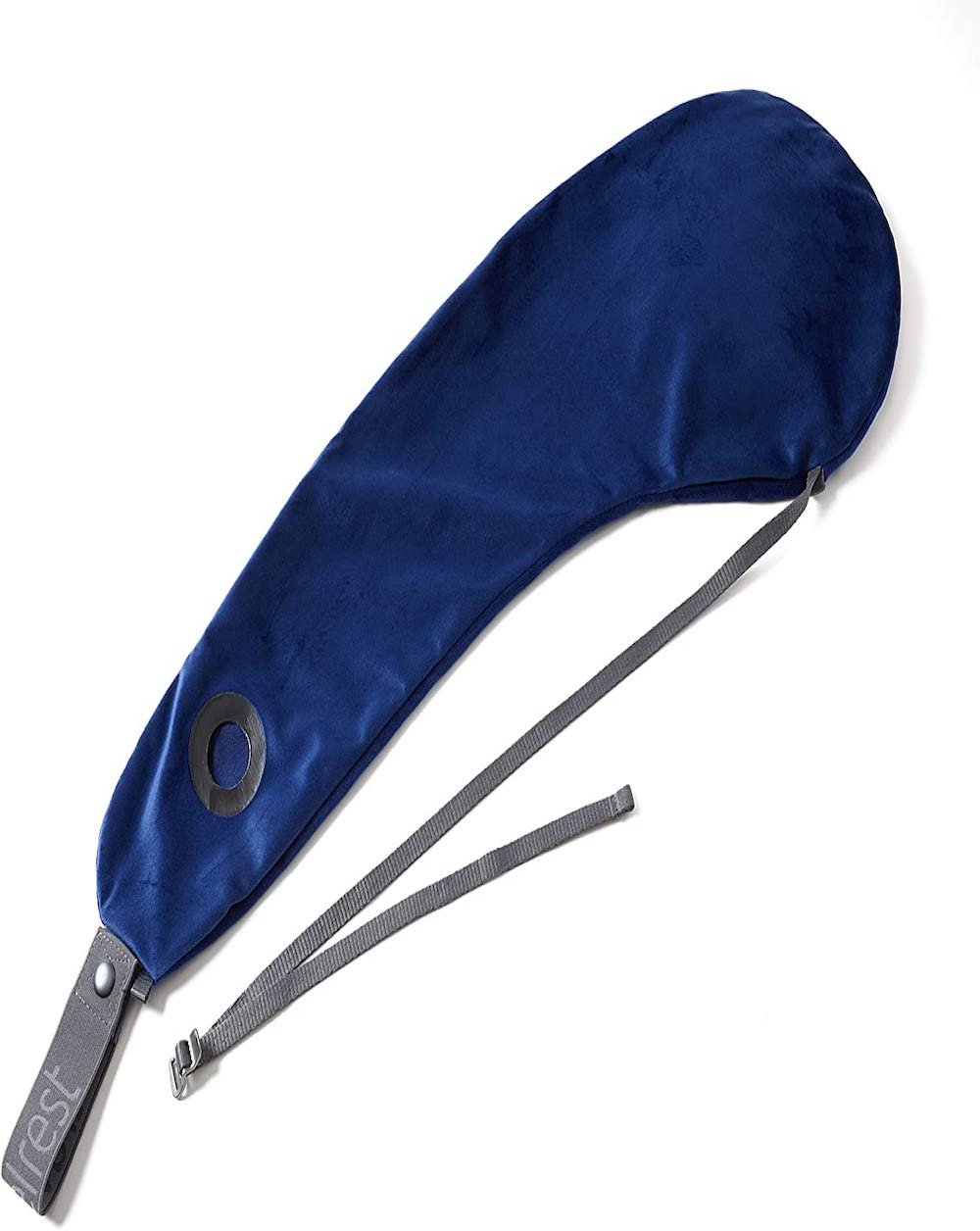
Unlike most foam pillows, this one deflates and rolls up to roughly the size of a standard water bottle.
It can be clipped to a bag or luggage handle, so it doesn’t get in the way when you’re moving through the airport.
That alone makes it much easier to travel with compared to bulkier alternatives.
Real-world result
On one flight from London to Kuala Lumpur (around 13 hours), I fell asleep after the meal service.
When I woke up, the passenger next to me looked surprised and said:
“Do you realise you’ve been asleep for about 9 hours?”
That’s not something I’d ever experienced before using this setup.
If you’re considering trying it, these are the main options available:


How to Use the Travelrest Travel Pillow on a Plane
This is where the difference really shows—how you use it matters.

Cross-body support (what makes it different)
Unlike most travel pillows, this one can be attached to the seat headrest, the seatbelt, or both.
This creates a secure cross-body setup that helps keep your upper body stable, rather than just supporting your neck.
The headrest attachment also means the pillow stays in position when you get up from your seat, which is a small but useful detail on longer flights.
If you’re not in a seat where you can attach it, it can still be worn cross-body. I’ve found this works well on lower-back chairs in airports or departure lounges too.
Seat positioning
I used to rely heavily on window seats, but now often choose right-side aisle seats.
Because the pillow is anchored to the headrest, it stops me leaning too far into the aisle—reducing the risk of being knocked by passing passengers or crew.
Seatbelt attachment
The lower section can be attached to your seatbelt.
This helps:
keep your body in position
reduce movement during turbulence
stay asleep more consistently
Adjusting support
Because it’s inflatable:
more air = firmer support
less air = softer feel
You can adjust it during the flight depending on how you’re resting.
Preventing “sleep nod”
If needed, I’ll unclip the lower section from the seatbelt and bring it up slightly, folding my arms so the base of the pillow rests on top.
That small adjustment helps prevent your head from dropping forward and waking you up.
Comfort and build quality
It also has a slight “hug” feel.
I’ve often found myself naturally resting my arms around it, which adds a bit of warmth and comfort on longer flights.
It’s also well made—I’ve occasionally leaned into it quite firmly without any issues, which adds to the overall sense of support.
Long-Term Use, Durability and Support
This isn’t something I’ve used for a few trips—it’s been part of my setup for over a decade.
My original pillow from 2014 is still in use today (now used by my partner)
I’ve purchased additional ones for travel and car use
At one point, I had an air bladder issue around 18 months after the warranty expired.
Travelrest were responsive and helped arrange a replacement, which left a strong impression.
A £28 investment back in 2014 has more than paid for itself—especially when most travel pillows only last 1–3 years.
Other Travel Essentials That Improve Sleep on a Plane
A pillow alone won’t solve everything.
From experience, a few additional things make a big difference:
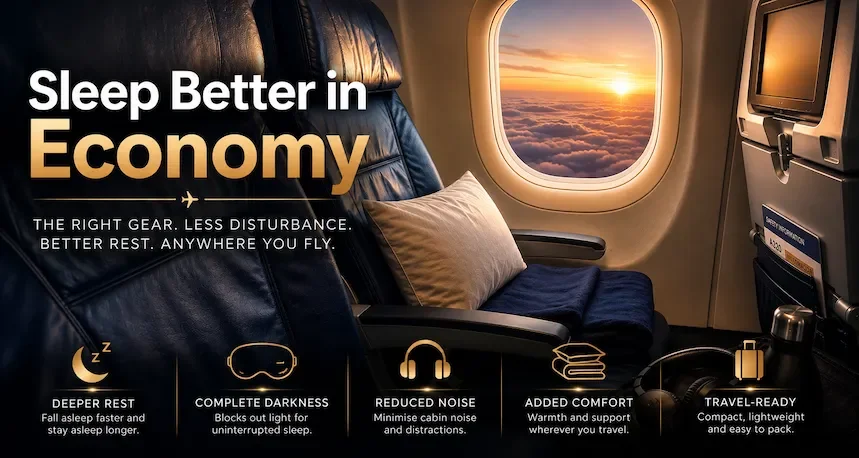
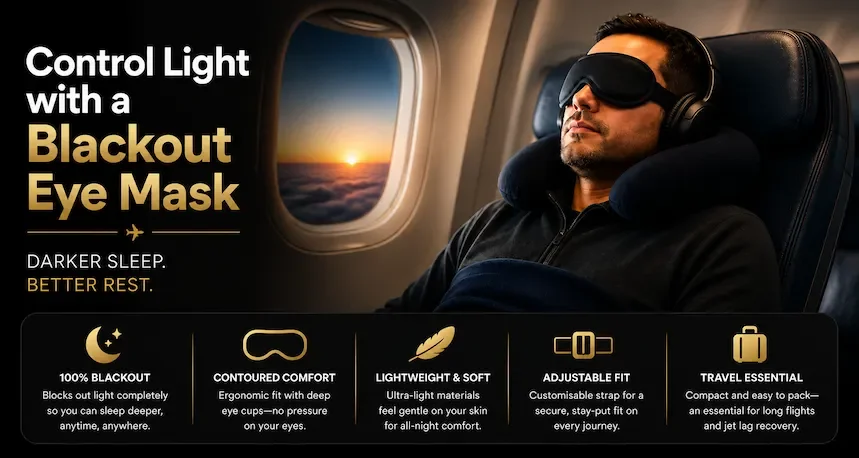
a blackout eye mask (to remove light)
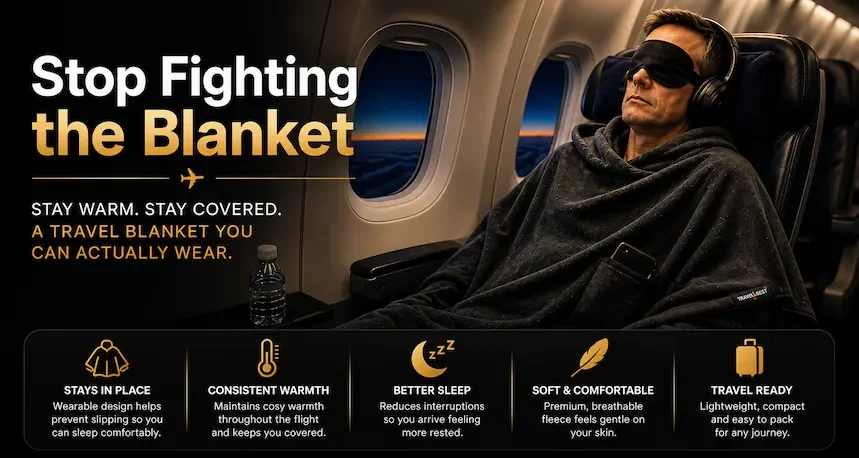
a proper travel blanket (to stay warm and maintain consistent coverage)
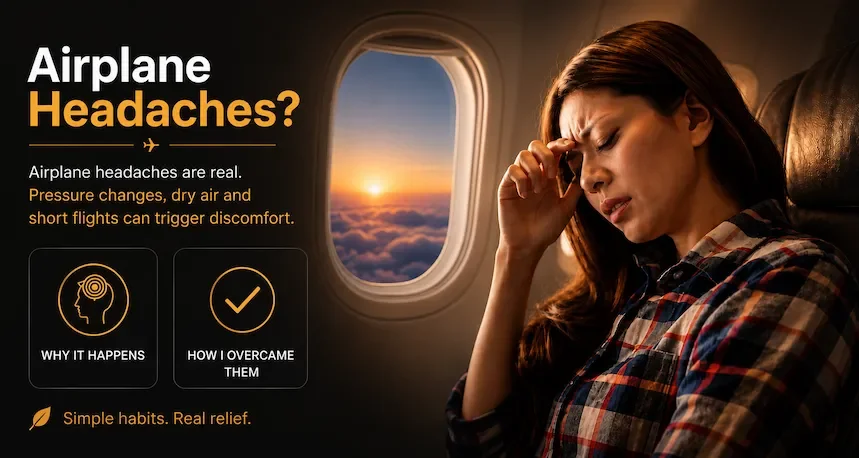
staying properly hydrated before and during the flight
a face covering (to keep my face warm, reduce dryness, and add a layer of protection)
A simple, consistent setup you use every time
Final Thoughts: Is It Worth It?
If you struggle to sleep on flights, especially in economy, this is one of the few products that has made a consistent difference for me.
It’s not just about comfort—it’s about staying in position and reducing movement.
Used properly, it turns short, broken naps into real rest—something I never thought possible in economy.
Do you use a Travelrest travel pillow? Let me know what you like about it, in the comments below.
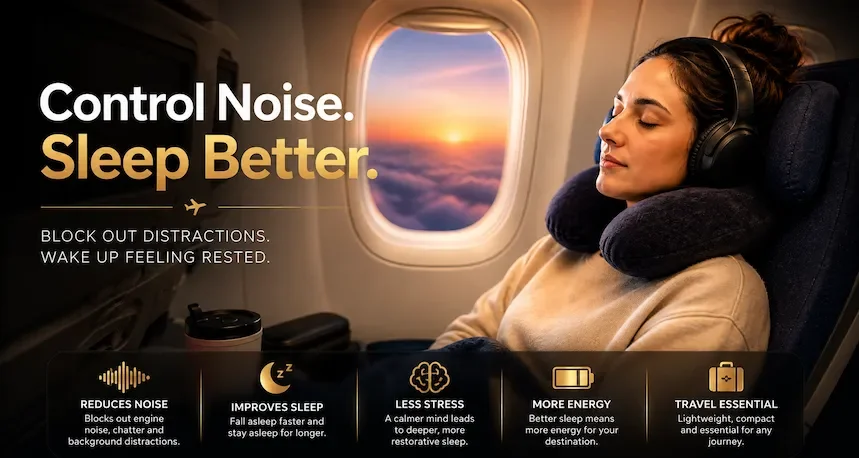
Over time, I realised a good travel pillow works best as part of a wider long-haul travel setup involving warmth, noise control, sleep positioning, and organised in-seat essentials find out more: My Long Haul Travel Setup
Frequently Asked Questions
-
Sleeping on a plane comes down to stability, not just comfort.
The key is to keep your head and upper body supported so you’re not constantly waking up. This usually means matching your seat position to how you naturally sleep and using a setup that prevents your head from dropping forward or sideways.
A stable sleeping position allows longer, uninterrupted rest—even in economy class.
-
Most people struggle to sleep on planes because their body isn’t properly supported.
Seats are upright, space is limited, and without proper support your head tends to fall forward or sideways. This causes repeated wake-ups and prevents deeper sleep.
Noise, lighting, and dehydration can also make it harder to stay asleep.
-
Travel pillows can help—but only if they support your head and upper body properly.
Most traditional neck pillows support the neck but don’t prevent head movement, which is why many people still struggle to sleep.
A more stable setup that keeps your body aligned tends to be more effective than softness alone.
-
No travel pillow can guarantee sleep.
However, the Travelrest pillow improves stability by supporting your upper body rather than just your neck. This helps reduce movement and makes it easier to stay asleep for longer periods.
Used correctly, it can make a noticeable difference compared to traditional pillows.
-
Cleaning depends on the version you have.
Some versions come with removable covers that can be washed, while others can be wiped clean.
It’s best to check the specific product instructions for your model to maintain its condition over time.
-
Yes—because it’s inflatable, it deflates and rolls up to a compact size.
It can easily fit in a bag or be clipped to luggage, making it more practical to travel with than bulkier foam pillows.
-
Yes—it can be used on planes, trains, cars, and even in airport seating.
Because it can be worn cross-body, it’s still usable in situations where you can’t attach it to a seat.
-
Yes—the pillow can be inflated quickly and adjusted during use.
You can add or release air to change the firmness depending on your position, which helps improve comfort and support during longer journeys.
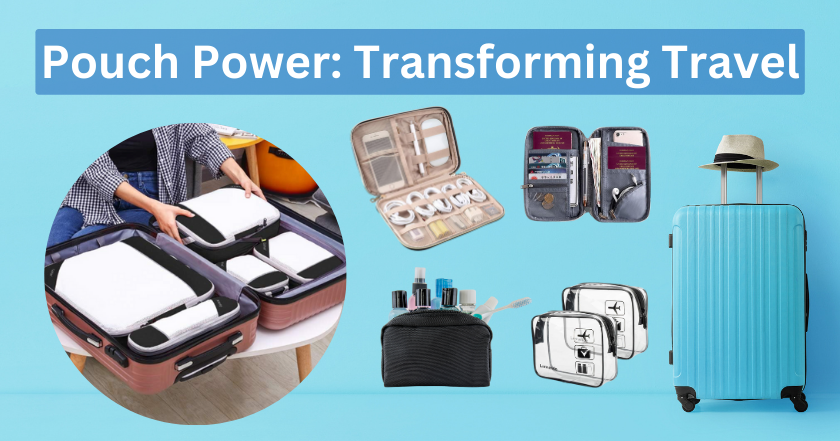




After more than a decade of regular long-haul travel, I’ve gradually refined a travel setup designed to improve comfort, sleep, organisation, and flexibility throughout the journey — from overnight flights and airport waits to delays and unexpected disruptions.